
Insights for Logistics Managers
The world of logistics is ever-evolving, and staying informed is critical for logistics managers who need to plan, strategise, and navigate the changing tides of shipping and transport. Recent developments in shipping container transport have had significant impacts across the globe, and two key news items are crucial to understanding the current landscape: the resolution of the dispute between DP World and the Maritime Union of Australia (MUA) and the hike in shipping costs between Europe and Asia caused by attacks on ships in the Red Sea, rerouting around Africa in 2024.

Resolving the Dispute: DP World and MUA Find Common Ground
Amidst the complex challenges facing the shipping industry, a ray of hope appeared as DP World Australia and the Maritime Union of Australia reached an agreement, putting an end to a heated dispute that caught the attention of logistics professionals worldwide.
Recently, Dubai-based DP World Australia, one of Australia’s leading terminal operators, and the MUA concluded negotiations with a positive outcome. The dispute had threatened to disrupt operations at DP World’s four Australian shipping container terminals: Sydney, Melbourne, Brisbane, and Fremantle, which are vital in the movement of goods across and within Australia. Fortunately, both parties have recognized each other’s positions and reached a mutually beneficial compromise.
This news is significant because it highlights the importance of cooperation and communication between terminal operators and unions in ensuring smooth operations and minimizing disruptions. As logistics managers, it is essential to stay informed about such developments as they can have a significant impact on supply chain operations and costs.
Shipping Costs between Europe and Australia/Asia on the Rise
In recent months, logistics managers have been faced with skyrocketing shipping costs between Europe and Australasia. The disruption caused by attacks on ships in the Red Sea combined with rising demand for goods has led to an increase in shipping container rates. According to data from Drewry, container shipping rates between Asia and Europe have nearly tripled since last year.
This surge in costs is a significant concern for logistics managers who need to balance budget constraints with the timely delivery of goods. As a result, many companies are now exploring alternative routes around Africa or using air freight as an option to mitigate the effects of high shipping costs.
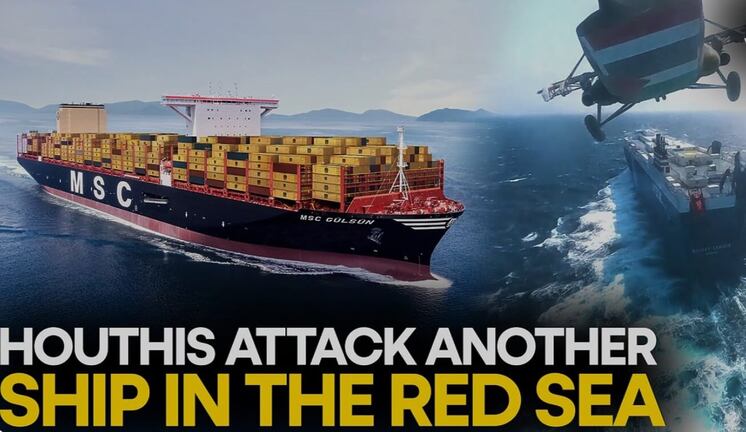
Red Sea attacks: Shipping costs have increased 300% since last year
Aside from the increase in costs, logistics managers also need to consider potential disruptions caused by attacks on ships in the Red Sea. In recent years, there have been several attacks on vessels passing through this strategic waterway, resulting in delays and higher insurance premiums for shipping companies.
This highlights the need for contingency planning and risk management strategies for logistics managers. Being aware of potential risks and having backup plans in place can help mitigate the impact of disruptions on supply chain operations.
Stay Informed: A Must for Logistics Managers
The key takeaway from these news stories is the importance of staying informed as a logistics manager. Whether it’s keeping up with developments in labour disputes or understanding the factors that affect shipping costs, being aware of current events can help logistics managers make informed decisions and stay ahead of potential challenges. In a constantly evolving industry, staying informed is crucial for effective supply chain management. So keep an eye on the news, network with industry professionals, and stay ahead of the curve. Your company’s success may depend on it.
The Growing Trend of Green Logistics
Another aspect of shipping container transport that is gaining attention in the logistics industry is the push towards more sustainable and eco-friendly practices. With increasing concerns about climate change and environmental impact, many companies are now looking for ways to reduce their carbon footprint and adopt greener solutions.
This shift towards green logistics includes initiatives such as using alternative fuels, implementing renewable energy sources in warehouses and distribution centres, and exploring more efficient transportation methods. As a logistics manager, staying informed about these developments can help your company stay ahead of the curve and meet customer demands for environmentally responsible practices.
New Technologies Disrupting Traditional Shipping Practices
The rise of new technologies such as blockchain, artificial intelligence, and the Internet of Things (IoT) is also having a significant impact on shipping container transport. These technologies are helping companies streamline their supply chain operations, improve tracking and traceability of shipments, and enhance overall efficiency.